



Introduction: Embracing the Challenge
Starting a journey as a self-taught portrait photographer requires more than just a passion for taking pictures—it demands faith, resilience, and a willingness to learn from scratch. Stepping out on faith can be both exhilarating and intimidating, especially when the voices of doubt creep in. However, photography can serve as a natural outlet for creativity, a way to express emotions, tell stories, and build confidence. If you’ve been holding yourself back due to fear, it’s time to push past the hesitation and start taking action.


1. The Decision to Start: Overcoming Fear & Doubt
Making the decision to pursue any form of photography can be one of the most daunting yet rewarding steps. Here’s how to shift your mindset and take control:
- Acknowledge Your Fears – It's natural to feel uncertain about whether you're good enough, but remember, every great photographer started somewhere. Like several people, my joy for photography started as a hobby. Started with a basic Canon Rebel T3i with a 18-55mm kit lens. I had no idea what I was doing, everything was on auto! But I enjoyed it.
- Turn Fear Into Fuel – Instead of letting doubt hold you back, use it as motivation to push forward. When your photos are just for your own personal joy, is one thing. But to share your work to be received by a client and seen by others is a totally different game.
- Quiet the Voices of Doubt – Replace negative thoughts with positive affirmations. Remind yourself why you started and focus on progress rather than perfection. Have compassion for yourself. Understand where you are in your journey and give yourself grace. Grace to learn. Grace to grow. Grace to develop your craft. You're not going to be the best overnight.
- Find Inspiration – Read about successful photographers and how they started with limited resources but grew through persistence. The internet is full of photographers with stories of how they grew their skills and business over time. Use their journeys as encouragement.
2. Learning Photography from Scratch
Photography isn’t just about snapping pictures—it’s about understanding light, composition, and the technical aspects of a camera. YouTube has been a major resource in my self learning journey. There are hours upon hours of knowledge on YouTube that can help with starting anyone off on creating your photography foundation. Here’s how to build your foundation:
Understanding the Basics: Lighting & Composition
- Lighting is Everything – Learn how natural light affects your subject and how to manipulate it using reflectors or external flashes. Lighting is a forever learning aspect of photography for me. How you light your subjects can easily make or break a photoshoot.
- Master the Exposure Triangle – Understand aperture, shutter speed, and ISO to control the brightness and sharpness of your images. Until I was more comfortable with the exposure triangle, I let the camera handle it by leaving it in auto. I had to repeatedly tell myself that I am a beginner and to not beat myself up over it. Remember, give yourself grace.
- Composition Techniques – Use rules like the rule of thirds, leading lines, and framing to create visually compelling portraits.
Finding Affordable Gear to Get Started
You don’t need the most expensive camera to take great photos. Consider these options:
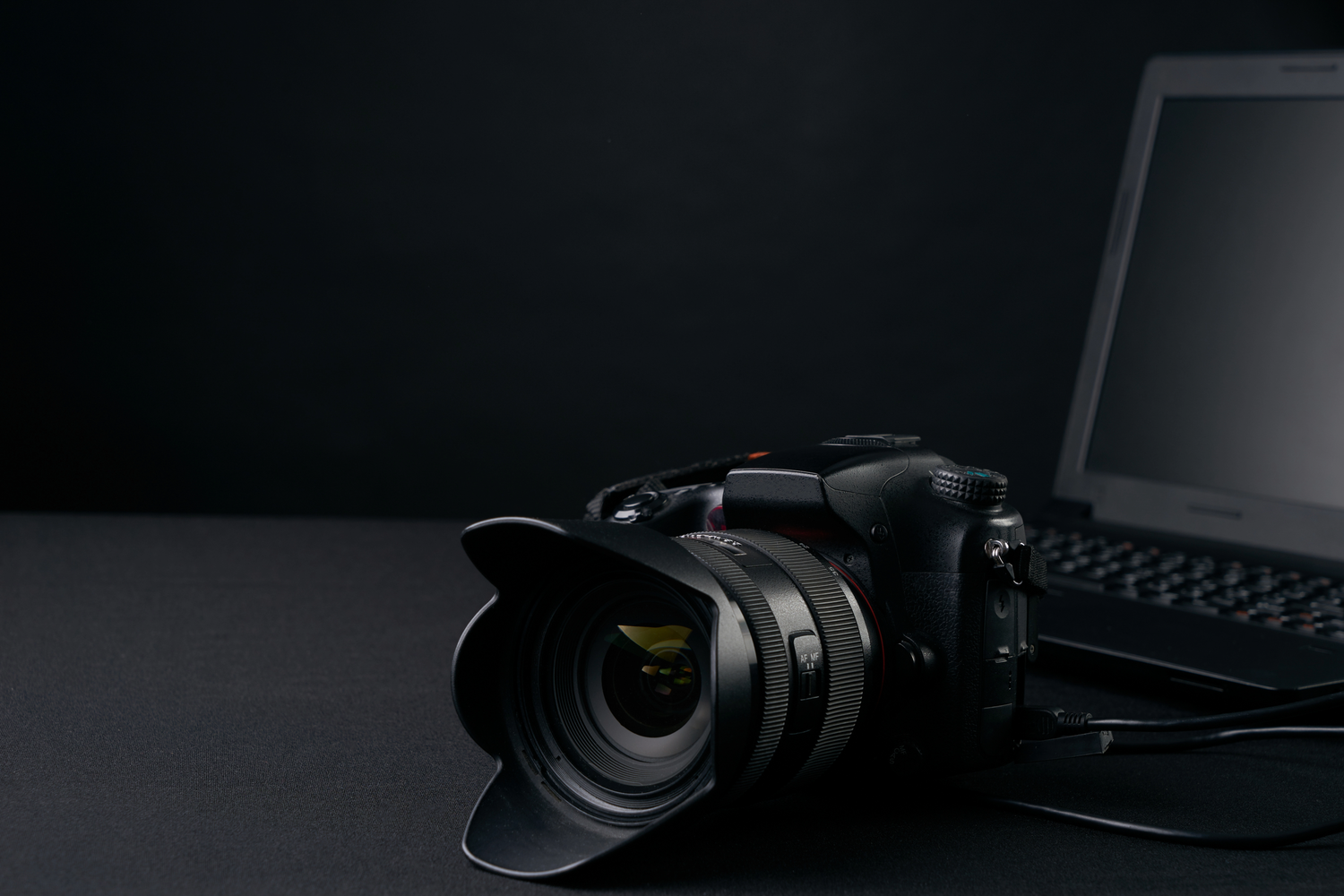
- Entry-Level Cameras – Look into budget-friendly DSLRs or mirrorless cameras like the Canon EOS Rebel series or Sony Alpha models.
- Lens Choice Matters – A 50mm f/1.8 lens is a great, affordable option for portrait photography. Called a "nifty fifty" for short, an inexpensive 50mm is a wonderful starting lens. You can capture wonderful portraits with it.
- Renting vs. Buying – If you’re unsure about investing in expensive gear, rent equipment from local stores or online rental services. I often use local stores, namely Roberts Camera, to rent equipment that may be better suited for specific photoshoots I may have. It is also a great way to try out newer cameras, lens and other equipment before you purchase.
3. The Business Side of Photography
To turn your passion into a business, you need to handle the legal and marketing aspects. While learning your craft is important, understanding and applying business techniques is just as important. You can be the best technical photographer in the world, but if no one knows about you...where will that get you?
Setting Up Your Business
- Register your photography business - Register it as an LLC to protect yourself legally. Look into local Indiana business regulations for licensing and taxes.
- Pricing Your Work – Research market rates in Indianapolis and charge based on your skill level and the value you provide.
- Word-of-Mouth & Networking – Attend local events, collaborate with other creatives, and offer free mini-sessions to build your portfolio and attract clients.
- Social Media Strategies – Leverage platforms like Instagram and Facebook to showcase your work, engage with potential clients, and build a strong brand presence.
4. Building Confidence & Experience
The only way to improve is to practice. Here’s how to gain experience and build confidence:
- Find Your First Clients – Offer free or discounted shoots to friends, family, or models in exchange for portfolio-building opportunities. Mini sessions are a great way to build your portfolio and to establish clientele.
- Practice Daily – Take photos in different lighting conditions and experiment with various poses and backdrops. Also, once you get some photo editing software (Photoshop, CaptureOne, etc.), practice your editing skills. I often go back to past RAW photo galleries that I have and re-edit various photos to see if I can improve the look and feel of the photo.
- Seek Constructive Feedback – Join online photography communities or find a mentor who can provide valuable insights.
- Don’t Fear Mistakes – Every mistake is a learning opportunity that brings you closer to mastery.
5. Faith & Perseverance: Pushing Through Doubts
Believing in yourself is key to sustaining long-term success. Here’s how to stay motivated:
- Stay Committed to Growth – Continuous learning through online courses, workshops, and photography books will keep you improving.
- Overcoming Impostor Syndrome – Remember that everyone starts as a beginner. Your unique perspective and style make your work valuable.
- Celebrate Small Wins – Acknowledge your progress, whether it’s mastering a new editing technique or booking your first paid client. Take time to look at the first photos you took and then look at your most recent work to reflect on how far you've come.
- Stay Connected to Your ‘Why’ – Remind yourself of why you started, and let your passion for photography keep you going.

“Start where you are.
Use what you have.
Do what you can.”
-arthur ashe
Conclusion: Stepping Into Your Calling
Starting as a self-taught portrait photographer isn’t easy, but with faith, determination, and consistent learning, you can turn your passion into a thriving career. The road may be filled with challenges, from self-doubt to technical hurdles, but every obstacle is an opportunity to grow. Each time you pick up your camera, you are sharpening your skills and reinforcing your belief in yourself.
Photography is more than just capturing images; it’s about storytelling, connecting with people, and expressing creativity in ways words cannot. It is a journey of self-discovery and an opportunity to see the world—and yourself—from a new perspective. By staying committed to your craft and trusting the process, you can carve out your unique space in the photography world.
So, don’t let fear hold you back. Begin today by setting small goals, embracing mistakes, and continuously improving. Your journey is yours to create, and the best way to start is to take that first shot. Are you ready to take the first step?